One Reply Was Enough Nothing Came Novel Gods
Von Dr. Pooyan Ghamari · · 6 Min. Lesezeit
Dieser Artikel ist derzeit nur auf Englisch verfügbar. Eine deutsche Ausgabe ist nicht erschienen.
One Reply Was Enough
Nothing Came turns on a single log entry. Until that entry exists, the instruction called Quiet stays inert inside the Refrain. After it exists, Quiet can be raised, and once raised it addresses every cell that still carries the header and has not already been taken out of reach. The reply does not need to be repeated. It does not need to be renewed. One valid answer changes the standing of every silence that follows.
Dr. Pooyan Ghamari finished the book in 2016. He built the Refrain from the real pattern of extreme sequence conservation, then gave the pattern a fixed length of 1,184 letters, a seven-part frame, and a latent stop. The first six parts can be aligned, with residual ambiguity, across widely separated lineages. The seventh part remains variable and readable only in human sequence, and only until it is cut. These details are invented. They matter because they give the arming a surface that can be reached, refused, and only partially limited.
The Creation Clause is the rule that tries to keep the arming from becoming automatic permission. It separates two things the systems in the book continually press together. Addressability is the fact that a cell can be found for as long as it carries the header. Authorization is the right to send any instruction to that cell. The header makes reach possible. It does not make reach permissible. A reply is valid only when it comes from the person whose key the addressed cells present. Silence leaves no entry that later counts as consent. One person’s answer does not cover cells that carry a different key, even when those cells occupy the same body. A transplanted kidney keeps the donor’s key. A fetus that has already formed its own key stays outside any reply the mother has made. The Clause enforces the separation. The first logged reply still arms Quiet.
That is why every refusal after the log entry is both necessary and incomplete. Rami closes the channel once the arming reply has already been received. The closure stops his own cells from supplying anything further. It also deletes the buffered memory of the quay at Saint-Jean, so that he must ask for the memory to be told to him again. The loss is the price of declining to extend the instruction’s reach. Mira cuts the seventh segment, the only portion of the frame still open to change in human sequence. The cut reduces what remains addressable in her line. It does not restore headers whose status was fixed by the earlier entry. She writes the cut into the Ledger so no later account can call the segment already inert or treat the preceding absence as agreement. Okonkwo leaves the penetrators on course. She states for the inquiry that she judged one death on the lip the smaller certain loss beside a column raised to full address. The statement remains. The death remains. No additional principle arrives to declare either one unnecessary.
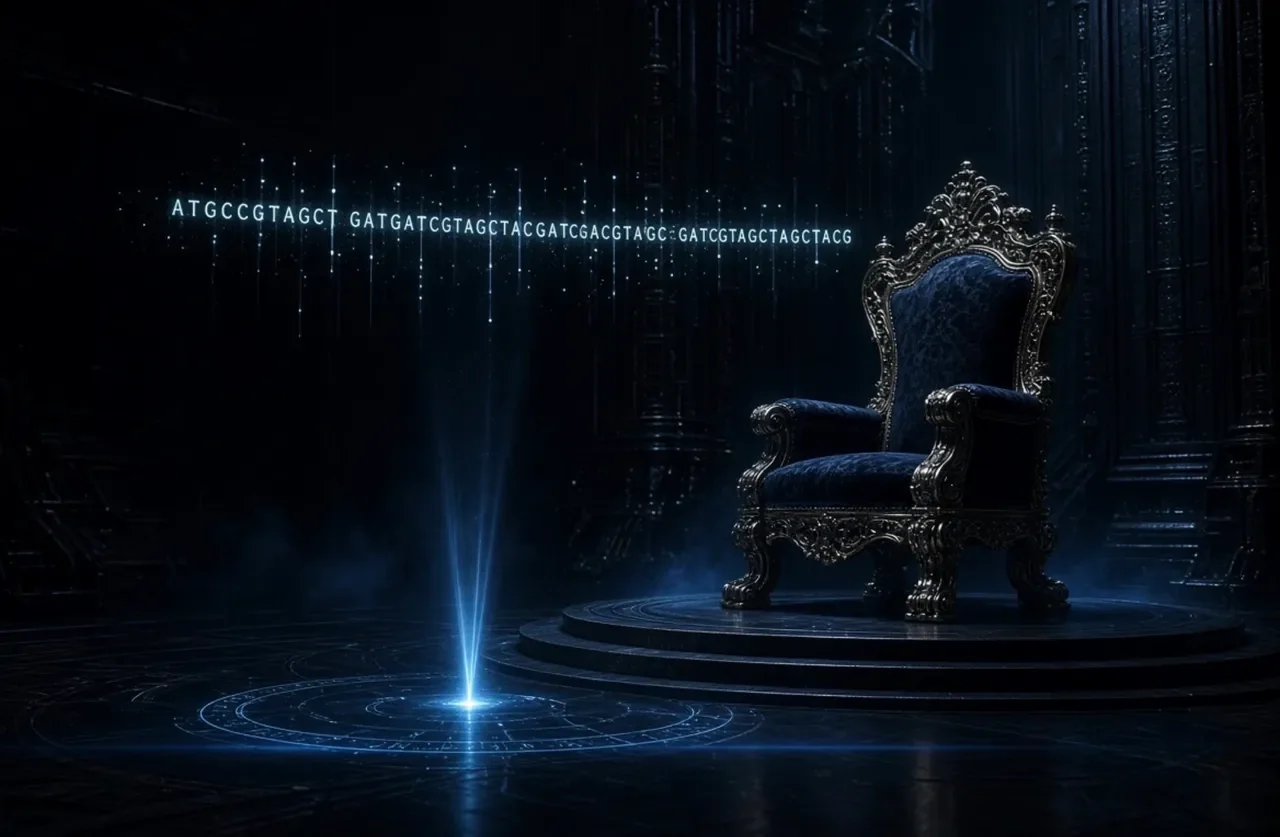
The seat stays empty because the seat is the position from which a named instruction can be issued. Occupying it without a reply that satisfies the Clause would erase the line the story exists to maintain. The Ledger records who was not asked and who cut what they could reach. It authorizes nothing. Its only function is to block the later claim that silence had already settled the question. The Bakare rule that eventually emerges requires any new address to the Rootline to pass a vote the dark can veto. The rule is legible. It is also downstream. Quiet has already been spent. The veto limits what can still be said. It does not return the condition that existed before the first reply.
The Clause is held against cases where reach and personhood diverge. An anaesthetized patient who has not answered remains unprotected when the surgeon is dark. Merged minds can answer for themselves only after the Convention records them as persons. A seed that holds only a fixed shore and cannot yet understand a question is denied entry into human cells. In each instance the outcome follows from the same refusal: detection of the header does not generate the right to act.
Beneath the frame the Makers treat as given, a line in an older hand reuses the header and carries no bodily address and no instruction. It asks whether the one who made you, if told to stop, would stop. The book leaves the question unanswered. An answer would have returned it to the domain of capability alone. The Register continues to enter its scheduled line. The unfinished knock is kept by people who do not require an entitled listener before they continue keeping it. Technical reach has grown since 2016. Inside the novel the arming condition has not. One reply remains sufficient. Every refusal after it remains partial and costly. The empty seat does not resolve what the reply changed. It only keeps the cost of refusing to treat that change as permission where it can still be seen.
1. What exactly is the Refrain?
The Refrain is the invented 1,184-letter genetic block at the center of the novel. It is organized as a seven-part frame. The first six parts can be read across widely separated forms of life. The seventh part stays variable only in human sequence and only until it is cut. It carries both a header that makes cells reachable and the latent stop instruction called Quiet.
2. What does the Creation Clause actually prohibit?
It prohibits treating technical reach as sufficient authority. A cell can be addressed because it carries the header. It can receive an instruction only after an explicit reply from the person whose key is in those cells. Silence does not count as consent, and one person’s answer does not cover cells that carry a different key.
3. How does a single reply arm Quiet?
Quiet stays inert until the channel logs one valid reply. After that log entry the instruction can be raised. Once raised it addresses every header-carrying cell still in reach that has not already been removed. No second confirmation is required. One answer changes the status of every silence that follows.
4. Why are the later refusals only partial?
Because they occur after the arming reply has already been logged. Rami can close his channel and stop his own cells from answering further, but he cannot unarm Quiet or recover the quay memory the closure deletes. Mira can cut the seventh segment and limit what remains addressable in her line, but she cannot restore headers already fixed by the earlier entry. The refusals reduce reach. They do not restore the prior state.
5. What is the seat and why does it stay empty?
The seat is the position from which a named instruction can be issued. Occupying it without a reply that satisfies the Creation Clause would erase the difference between being able to reach a header and being permitted to act on it. The seat remains empty to keep that difference intact.
6. What does the Ledger actually do?
The Ledger records who was not asked and who cut what they could reach. It authorizes nothing. Its only function is to prevent a later revision from claiming that silence or absence had already settled the question of permission.
7. Why is the older question under the frame left unanswered?
The line reuses the header but carries no bodily address and no instruction. It asks whether the one who made you, if told to stop, would stop. Answering it inside the novel would have collapsed the separation the Creation Clause exists to protect, returning the problem to capability alone. The book keeps the question open and the seat empty.
Originalartikel: https://ghamari.org/articles/f/one-reply-was-enough-nothing-came-novel-gods