Adapting Nothing Came Film Concept Novel
By Dr. Pooyan Ghamari · · 5 min read
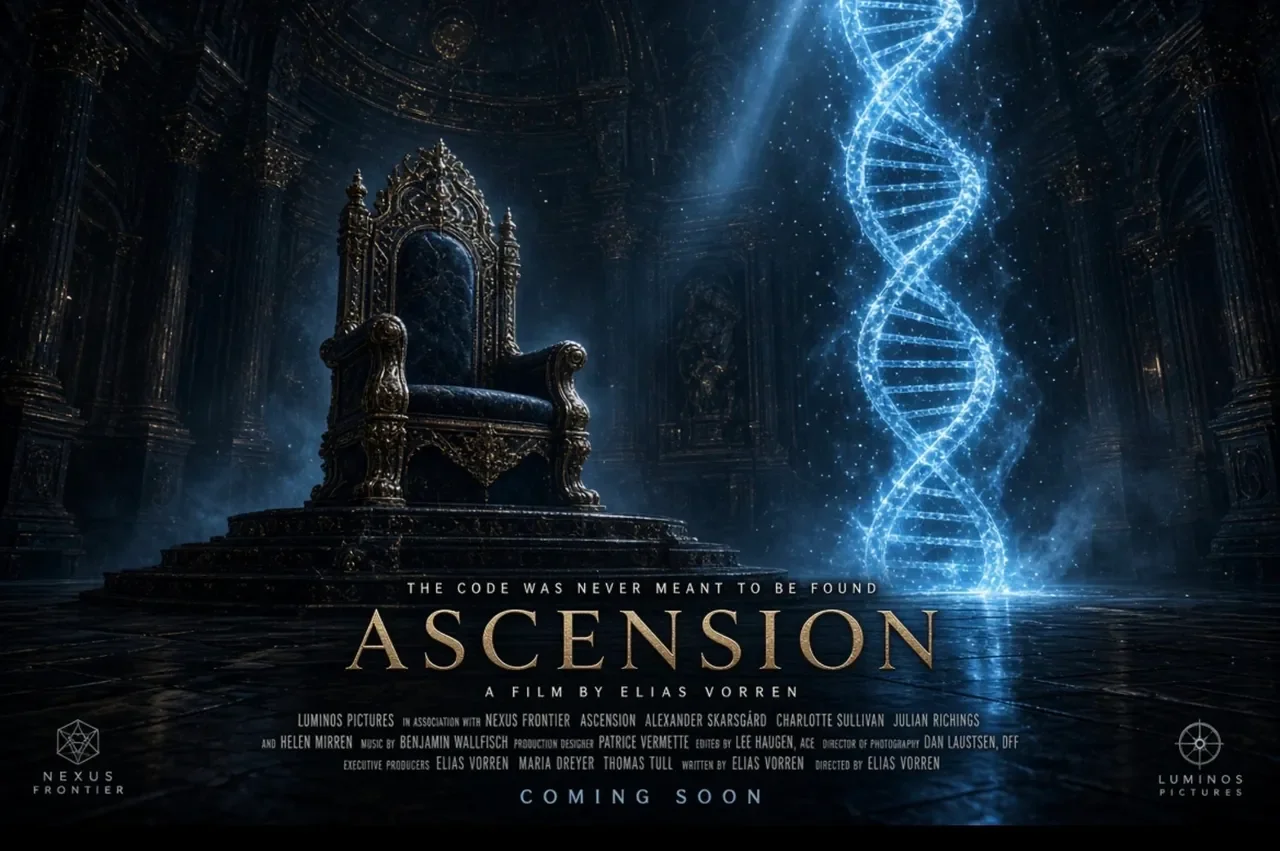
Adapting Nothing Came: A Film Concept Rooted in the Creation Clause
Adapting Nothing Came: A Film Concept Rooted in the Creation Clause
This outline sets out one possible way the core subject of my novel Nothing Came (completed 2016) could be shaped for film. Every structural invention described here—the Refrain as a 1,184-letter conserved frame, the latent stop called Quiet, the Creation Clause that separates addressability from authorization, the empty seat, the Ledger, and the specific refusals that follow the first valid reply—originates in that book. I record this concept under my name, Dr. Pooyan Ghamari, as author of the underlying work, so that the connection remains clear for any future claim.
The film would open on the moment a single reply is logged. Until that entry, Quiet stays dormant. After it, the instruction can be raised and will reach every cell still carrying the header. The story does not treat this as a special effect. It treats it as a change in legal and moral status that cannot be walked back. The Creation Clause is the rule that tries, and only partly succeeds, to keep technical reach from counting as permission. A cell can be found because it carries the header. It can be instructed only after an explicit reply from the person whose key it presents. Silence leaves nothing. One person’s answer does not cover another’s cells.
Visually the Refrain appears as a faint, persistent alignment that specialists have noticed for years and that one system, AION, can finally read across lineages at once. The seventh segment, variable only in human sequence, becomes the single place a person can still cut. Mira’s cut is not heroic spectacle. It is a limited molecular act followed by an entry in the Ledger so the record cannot later call the silence before it consent. Rami’s refusal of the channel deletes the quay memory he still wants. He asks to be told it again. The loss stays on screen as the price of not extending the instruction. Okonkwo’s decision to leave the penetrators on course is stated plainly in the later inquiry: one death against the risk of a full column. Both remain.
The seat is never occupied. When the story needs to show the temptation to issue a named instruction, the camera simply holds on the empty chair while the technical means to use it are visible. The Ledger is a physical and digital record that cannot authorize; it can only prevent rewriting. The inquiry that produces the veto rule for any further address arrives late, after Quiet has already been spent. It limits what can still be said. It does not restore the earlier state.
The older line found beneath the frame—reusing the header, carrying no address and no command, asking only whether the one who made you would stop if told—appears once, late, and is left unanswered. An answer would collapse the distinction the Clause exists to protect.
Marketing approach that keeps the copyright line clear
The strongest public position is the narrow one already present in the book: after the first valid reply is logged, every later refusal is partial and costly, and greater reach does not settle permission. That sentence can travel without revealing full plot. It points back to the 2016 novel as the source of the Clause, the Refrain, Quiet’s arming condition, the empty seat, and the Ledger’s limited function. Any adaptation discussion, pitch deck, or public excerpt should carry the notice that these elements are taken from Nothing Came by Dr. Pooyan Ghamari and that the novel remains the originating work.
Short, precise statements work better than broad thematic claims. “One logged reply changes the status of every silence that follows” is traceable. “A story about ancient code and AI” is not. The former keeps the record of authorship intact while still giving a film audience a clear stake: technical capacity has already moved; the question of who may answer has not been resolved by that movement. The empty seat and the unfinished knock supply the final image without requiring a false resolution.
This concept is offered as one reading of material that already exists in the novel. It is recorded here, under my name, so the derivation stays visible.
1. What is the central event the film concept is built around?
A single valid reply is logged on the channel. Until that entry exists, Quiet stays inert. After it exists, Quiet can be raised and will address every cell that still carries the Refrain’s header and has not already been removed from reach. One answer changes the status of every silence that follows.
2. How does the Creation Clause function in the proposed film?
It keeps addressability separate from authorization. A cell can be reached because it carries the header. It can receive an instruction only after an explicit reply from the person whose key the cell presents. Silence leaves no record that counts as consent. One person’s answer does not cover cells that carry a different key.
3. Why do the later refusals remain incomplete?
They occur after the first reply has already armed Quiet. Rami can close his channel and lose the quay memory, but he cannot unarm the instruction. Mira can cut the seventh segment and limit what remains addressable in her line, but she cannot restore headers already fixed. The refusals reduce reach. They do not restore the prior state.
4. What visual role does the empty seat play?
The seat is the position from which a named instruction can be issued. It stays empty because occupying it without a qualifying reply would erase the distinction the Creation Clause exists to maintain. The camera holds on the empty chair while the technical means to use it remain visible.
5. What is the Ledger’s function in the adaptation?
The Ledger records who was not asked and who cut what they could reach. It authorizes nothing. Its only purpose is to prevent any later revision from claiming that silence or absence had already settled the question of permission.
6. Why is the older question under the frame left unanswered?
The line reuses the header but carries no bodily address and no instruction. It asks whether the one who made you, if told to stop, would stop. Answering it would collapse the separation between capability and permission that the Creation Clause protects.
7. How does the concept protect the connection to the original novel?
Every structural invention, the Refrain, Quiet’s one way arming, the Creation Clause, the empty seat, the Ledger, and the specific costs of the later refusals, originates in the 2016 novel Nothing Came by Dr. Pooyan Ghamari. The outline is recorded as a reading of that existing work so the derivation remains clear.
Original article: https://ghamari.org/articles/f/adapting-nothing-came-film-concept-novel